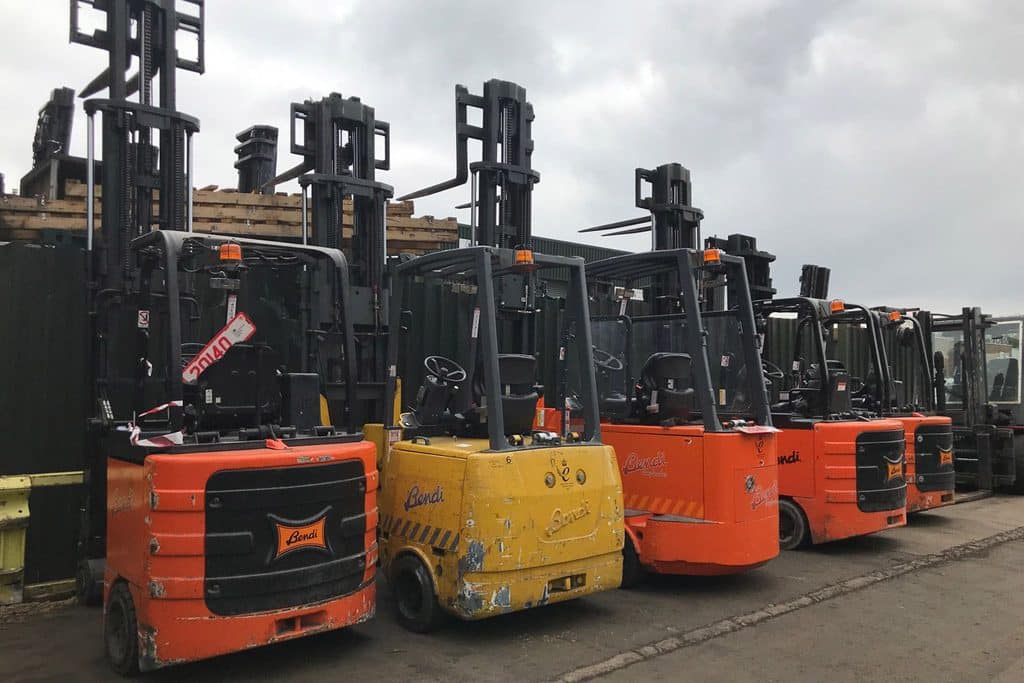
Your forklift just broke down, and now you’re staring at it in disbelief, wondering what to do next. Forklift malfunctions can seriously hamper your business operations, especially when you rely on them for daily tasks. Knowing how to handle emergency forklift repairs is crucial to minimise downtime and keep things running smoothly. Whether you’re dealing with a common brand having a clear plan can save you valuable time and money.
In this article, we will guide you through what to do when your forklift unexpectedly fails. By the end of this read, you’ll have a well-rounded understanding of steps to take, key considerations, and tips to ensure your operations remain as uninterrupted as possible.
What are the most common issues with forklifts?
Forklifts, as indispensable workhorses of warehouses and construction sites, inevitably face wear and tear. Recognising the most common issues can equip you with the knowledge to act swiftly, minimising downtime and ensuring safety.
Hydraulic Failures: One prevalent issue is hydraulic failure, which can occur due to worn-out seals, clogged filters, or low fluid levels. Regular inspection of the hydraulic system can prevent significant disruptions.
Battery Problems: Battery issues are a frequent concern for electric forklifts. These include insufficient charge, corroded terminals, or electrolyte imbalances. Consistent battery maintenance and periodic testing can extend the battery’s life and efficacy.
Tyre Wear: Tires may deteriorate faster than anticipated, especially if the forklift is used on rough surfaces. Daily checks for tyre integrity and pressure can prevent accidents stemming from tyre blowouts or poor traction.
Brake Malfunctions: Brakes are critical for safety. Issues might arise from worn brake pads, hydraulic leaks, or damaged callipers. Regular brake inspections can help detect and rectify these problems early.
Engine Trouble: Diesel or gasoline-powered forklifts may suffer from engine problems like overheating, frequent stalling, or smoky exhausts. Adhering to the manufacturer’s maintenance schedule can significantly reduce engine-related issues.
By being vigilant and proactive about these common forklift issues, you can ensure that your equipment remains functional and safe, safeguarding both your products and your personnel.
Are there specific tools needed for emergency repairs?
Yes, having the right tools on hand can make the difference between a quick fix and a prolonged equipment downtime. Here are some essentials:
- Diagnostic Equipment: Many modern forklifts come equipped with on-board diagnostics. A digital multimeter is invaluable for checking electrical issues and ensuring circuits are functioning properly.
- Socket and Wrench Sets: A robust set of sockets and wrenches, including both metric and imperial sizes, is crucial for any repair. These tools allow you to easily tighten or remove bolts and screws.
- Hydraulic Jacks: A good hydraulic jack will help in lifting the forklift, making it easier to access the undercarriage for repairs or inspections.
- Lubricants and Coolants: Always keep an assortment of lubricants and coolants at the ready. These are essential for maintaining moving parts and ensuring the internal components do not overheat during operation.
- Crowbars and Pry Bars: These tools are necessary to shift or move components that may be stuck or require adjustment.
- Portable Air Compressors: For tyre inflation or to clean out dust and debris from parts of the forklift, a portable air compressor is very handy.
- Toolbox Essentials: Screwdrivers, pliers, ratchets, and cutters are basic but necessary items. Also, keep a set of Allen keys of various sizes.
Remember, preventative maintenance is just as important as being prepared for emergencies. Regularly inspecting your forklift and addressing minor issues before they develop can drastically reduce the need for emergency interventions. Keep a comprehensive log of all maintenance activities, repairs, and part replacements to stay ahead of potential failures.
What safety precautions should be taken during repairs?
When your forklift experiences a failure, safety becomes paramount. Before diving into any repair work, ensure that the forklift is completely powered down and removed from any active working area. This means disconnecting the battery for electric models or ensuring the fuel supply is turned off for diesel or propane variants.
Next, stabilise the forklift by engaging the parking brake and using wheel chocks to prevent any unexpected movement. Always wear appropriate personal protective equipment (PPE) such as gloves, safety glasses, and steel-toe boots to guard against potential injuries. Having a well-stocked first aid kit nearby is also advisable in case of accidents.
It’s crucial to have clear communication with your team. Inform your colleagues about the ongoing repair work and section off the area with safety cones or barriers. This will prevent unintentional intrusions that could lead to accidents or further damage.
Staying informed is just as important. Swiftly consulting the forklift’s manual can provide vital safety guidelines and troubleshooting steps specific to your model. Additionally, it is recommended to have a fire extinguisher accessible in case any electrical faults or fuel leaks pose a fire risk.
By taking these precautionary measures, you not only ensure personal safety but also maintain the integrity of your forklift and working environment.
What are the step-by-step procedures for quick fixes?
If you find yourself in the midst of an emergency with a malfunctioning forklift, knowing what steps to take can make all the difference. Immediate action can help get your equipment up and running quickly, minimising downtime and potential losses. Here’s a guide to tackling emergency forklift repairs effectively, with additional insights specific to the forklifts:
Troubleshooting Forklifts
When it comes to the forklifts, they possess unique engineering and operational features. Here are specific areas you should focus on:
1. Electrical System Issues
If your forklift won’t start or suddenly stops, the issue might be electrical. First, check the battery connections. Ensure they’re clean and securely attached. A loose connection can often lead to power issues. Additionally, inspect the wiring harness for any obvious signs of wear or damage.
2. Steering Malfunctions
Steering problems are particularly critical in Bendi forklifts, known for their ability to manoeuvre in tight spaces. If the steering becomes difficult or unresponsive, check the hydraulic fluid levels. Low fluid can cause steering stiffness. In cases where fluid levels are adequate, inspect the steering cylinder and lines for leaks or damage.
3. Brake Failure
Safety is paramount, and brake failure needs immediate attention. If the brakes on your Bendi forklift are not engaging properly, the brake fluid levels should be the first point of inspection. Ensure that the brake system is free of leaks. Test the parking brake as well, and ensure it’s capable of holding the forklift in place on an incline.
4. Mast and Lift Mechanism Problems
If lifting or lowering loads becomes an issue, inspect the hydraulic system. Low hydraulic fluid levels can hamper the mast’s ability to lift. Check for any obvious leaks or damaged hoses. Additionally, ensure the forks are not bent or damaged, as this can impair lifting efficiency.
Immediate Response Actions
- Stop Operations: Halting operations immediately can prevent further damage or injury.
- Assess the Issue: Quickly diagnose the problem using the above troubleshooting tips.
- Gather Tools and Parts: Ensure you have the necessary tools and replacement parts on hand.
- Consult the Manual: Refer to the manufacturer’s guide for specific troubleshooting tips and instructions.
Empowering your operators with the knowledge of these quick fixes not only maximises equipment lifespan but also ensures smoother and safer operations. Remember, a stitch in time saves nine, and addressing small issues promptly can prevent larger, costlier repairs in the future.